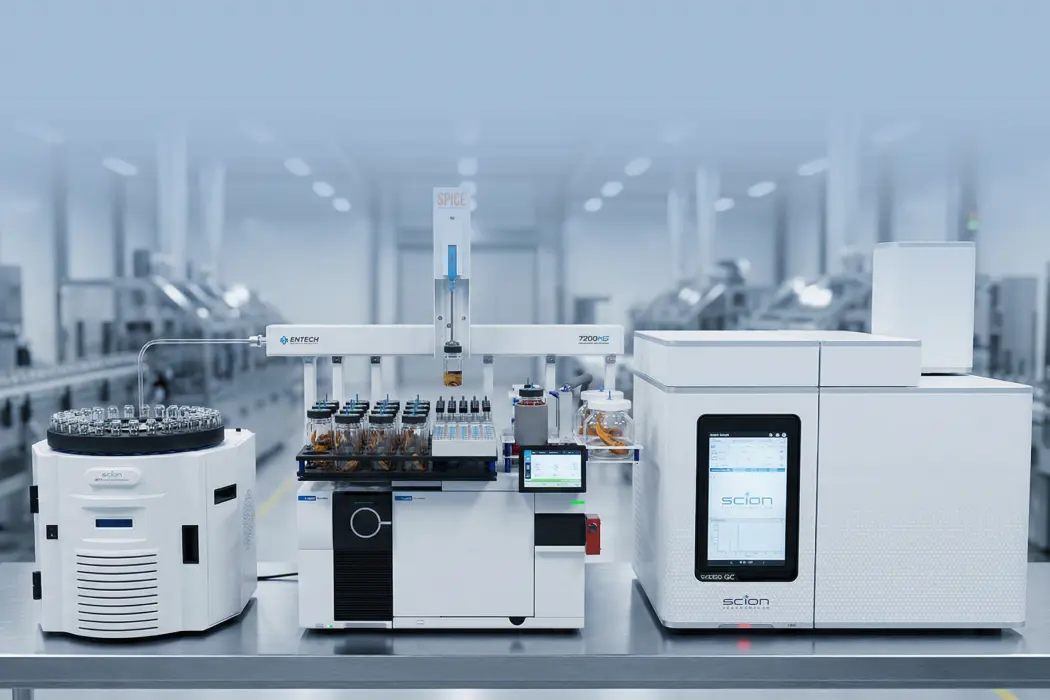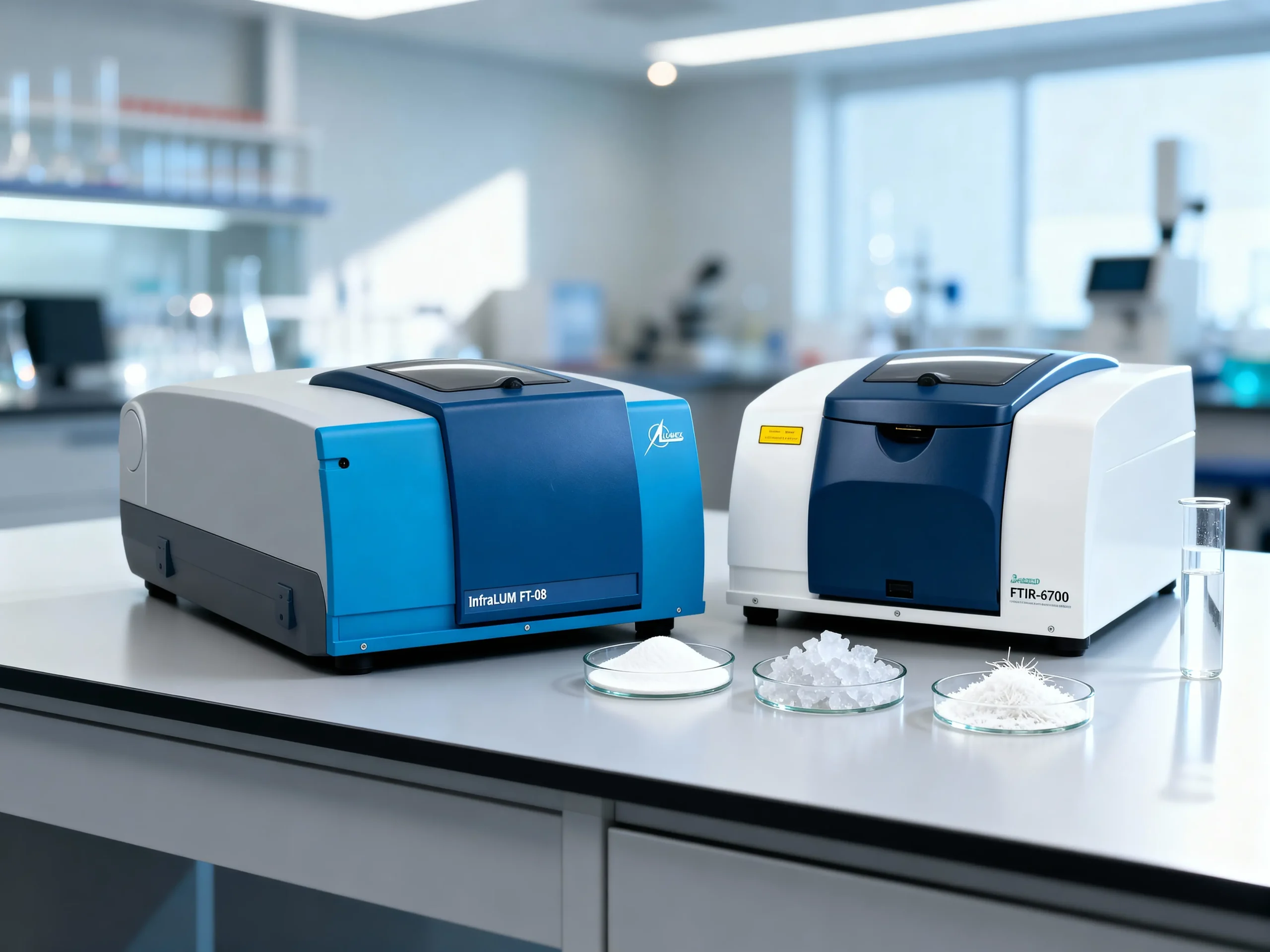
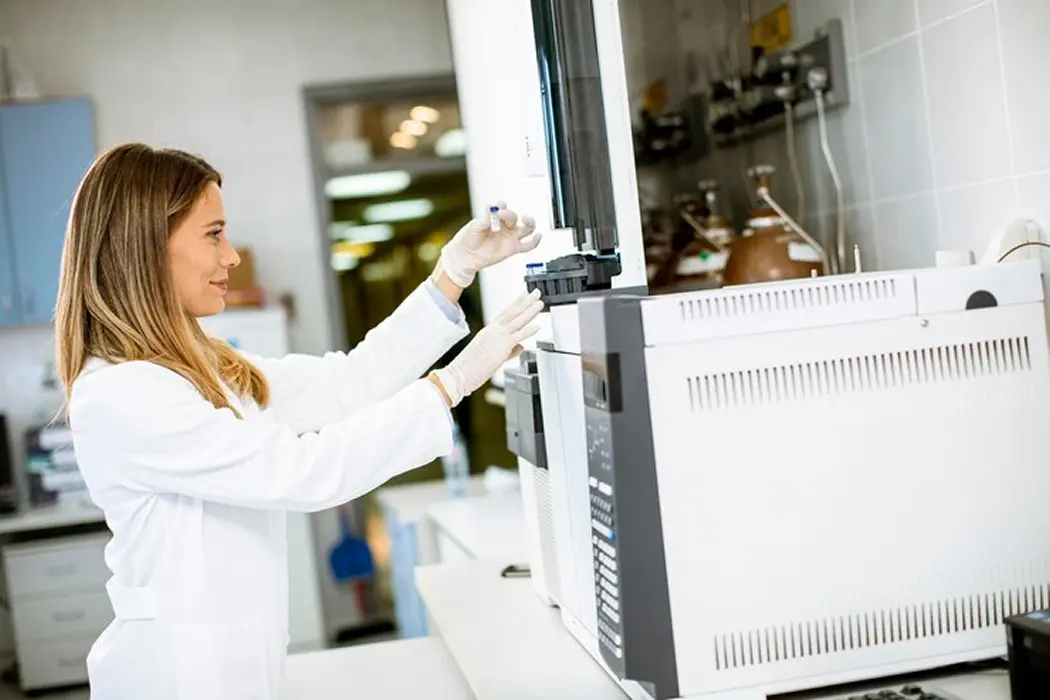
Reliable analytical techniques are the basis of quality assurance, safety compliance, and operational excellence in the ever-changing petrochemical and chemical production industry. Among these methods, headspace gas chromatography with flame ionization detection (headspace GC-FID) has come to be a vital instrument for evaluating volatile organic compounds (VOCs) in complicated industrial matrices. As regulatory standards tighten and product specifications become more strict, quality control specialists, process engineers, and laboratory managers across the chemical industry must know what headspace GC-FID is and its various applications.
This blog covers the underlying concepts, important applications, and strategic advantages of headspace GC-FID in the petrochemical and chemical industries.
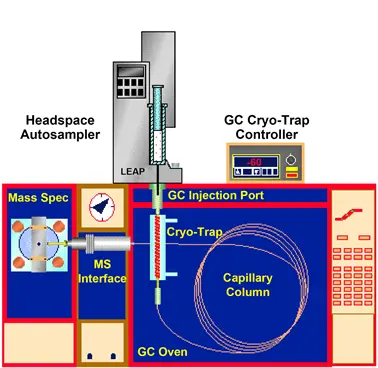
Headspace GC-FID
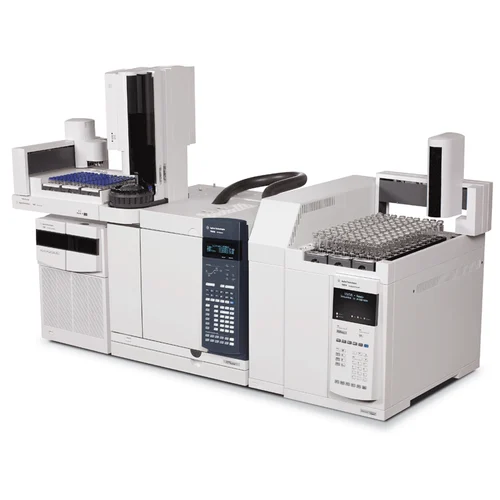
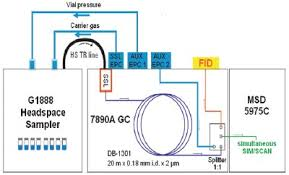
What is headspace GC-FID? It refers to Headspace Gas Chromatography with Flame Ionization Detection. It is an analytical method for measuring volatile organic compounds (VOCs) in a sample, which is particularly useful when the material is liable to evaporation under examination.
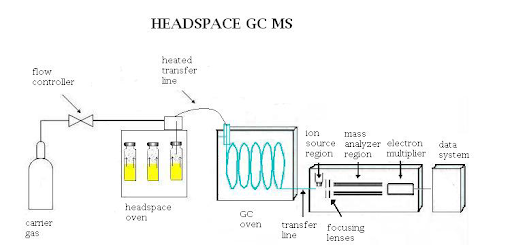
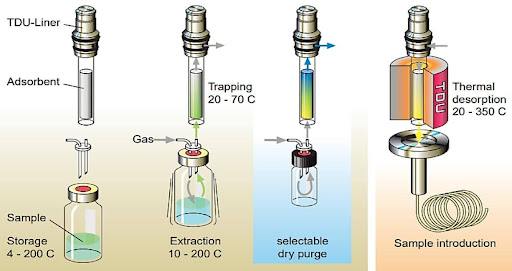
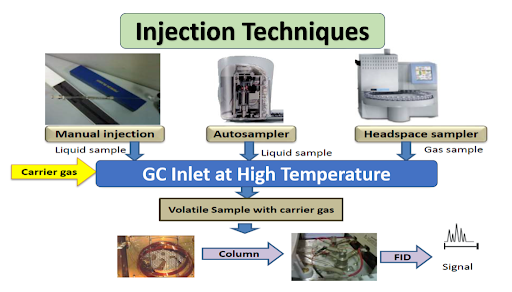
Headspace GC-FID represents the integration of two powerful analytical technologies. The headspace sampling technique involves analyzing the vapor phase (headspace) above a solid or liquid sample sealed in a vial, rather than directly injecting the sample itself.
The Flame Ionization Detector Advantage
The flame ionization detector operates on a straightforward yet highly effective principle. As separated compounds elute from the GC column, they enter a hydrogen-air flame where combustion occurs. This process generates ions from the carbon-hydrogen bonds in organic molecules, producing an electrical current proportional to the amount of organic material present. The FID’s universal response to organic compounds, combined with its exceptional sensitivity and wide linear dynamic range, makes it ideally suited for quantifying hydrocarbons and other volatile organic compounds common in petrochemical operations.
Core Applications in Petrochemical Manufacturing
Quality Control of Refined Products
In petrochemical refineries, headspace GC-FID applications serve as a cornerstone for quality assurance programs. The technique excels at analyzing the composition of fuels, solvents, and intermediate products. For gasoline production, headspace analysis can jointly quantify benzene, toluene, ethylbenzene, and xylene (BTEX) chemicals, which are key elements that influence fuel performance and environmental effects.
Process Stream Monitoring
Continuous process monitoring in petrochemical plants requires analytical methods that deliver reliable results without introducing contamination or requiring extensive sample preparation. Headspace GC-FID meets these demands by analyzing volatile components in process streams, including crude oil fractions, reformate streams, and catalytic cracker products. The technique’s ability to handle complex hydrocarbon matrices without extensive cleanup procedures makes it particularly valuable for high-throughput quality control laboratories.
Monocyclic Aromatic Hydrocarbon (MAH) Analysis
Monocyclic aromatic hydrocarbons such as benzene, toluene, and xylene are vital building blocks for petrochemicals, solvents, and plastics manufacturing. Headspace VOC analysis provides an efficient solution for MAH quantification in various process streams and finished products. The method’s automation capabilities reduce analysis time compared to traditional extraction-based techniques while maintaining the accuracy required for regulatory compliance.
Chemical Manufacturing GC Analysis Solutions
Residual Solvent Testing
Residual solvent analysis represents one of the most critical headspace GC-FID applications in chemical manufacturing, particularly for pharmaceutical and specialty chemical production. During synthesis processes, various organic solvents may be used and must be removed to safe levels before products can be released.
The technique aligns with regulatory guidelines, which categorize solvents into three classes based on toxicity and establish permitted daily exposure limits. Headspace GC-FID can detect residual solvents down to parts-per-million levels, ensuring products meet safety specifications. Common solvents analyzed include methanol, acetone, dichloromethane, toluene, and various alcohols and ketones used in chemical synthesis.
Volatile Impurity Profiling
Chemical manufacturing processes can introduce various volatile organic impurities that affect product quality, stability, and safety. Headspace GC-FID excels at detecting and quantifying these impurities across diverse product types, including polymers, resins, adhesives, and specialty chemicals. The method’s high sensitivity enables detection of trace-level contaminants that could impact downstream processing or end-use applications.
Hot Oil and Heat Transfer Fluid Analysis
In petrochemical facilities, heat transfer fluids and hot oils play important roles in process temperature control. Over time, these fluids can accumulate volatile contaminants, including benzene, toluene, and degradation products. Recent research from petrochemical operations shows that multiple headspace extraction coupled with GC-FID analysis provides a solvent-free method for quantifying these impurities.
Headspace VOC Analysis for Environmental Compliance
Emission Monitoring and Control
Environmental regulations worldwide impose strict limits on VOC emissions from chemical manufacturing facilities. Headspace GC-FID provides an efficient solution for monitoring compliance with these regulations. The technique can analyze air samples, process vents, and fugitive emissions to quantify volatile organic compounds and ensure operations remain within permitted limits.
Wastewater Treatment Monitoring
Chemical manufacturing generates wastewater streams that may contain dissolved volatile organic compounds. Headspace GC-FID analysis enables accurate quantification of these compounds to verify treatment effectiveness and ensure discharge compliance. For wastewater treatment facilities, headspace analysis can monitor biodegradation processes by detecting methane and other metabolic products, providing insights into treatment efficiency and optimizing operational parameters.
Method Development Considerations
Optimizing Equilibration Conditions
Successful headspace VOC analysis needs careful optimization of several parameters. The partition coefficient, or the ratio of analyte concentration in the headspace to the sample matrix, is greatly affected by the equilibration temperature. Higher temperatures generally increase vapor-phase concentrations, improving sensitivity, but may also introduce matrix effects or cause sample degradation.
Equilibration time must be sufficient to establish phase equilibrium. While some volatile compounds reach equilibrium within minutes, others may require 30-90 minutes, depending on their physical properties and the sample matrix. Multiple headspace extraction techniques can overcome equilibration limitations for particularly challenging applications.
Vial Selection and Sealing
The quality of headspace vials and sealing systems directly impacts the reliability. Vials must maintain an airtight seal throughout the equilibration and sampling process to prevent analyte loss. Common vial sizes range from 10 to 22 ml, with larger volumes accommodating bigger samples or providing more headspace for analysis.
Septum selection is equally important. High-quality septa must withstand repeated needle penetrations without introducing contamination or allowing sample leakage. Temperature-resistant septa are essential for methods using elevated equilibration temperatures.
Carrier Gas and Detector Optimization
While helium has traditionally been the carrier gas of choice for GC applications, hydrogen is increasingly adopted due to helium supply constraints. Method translation software can facilitate switching between carrier gases while maintaining separation quality. For the FID, optimizing hydrogen and air flow rates ensures maximum detector sensitivity and stable baseline performance.
Integration with Laboratory Information Systems
Modern chemical manufacturing laboratories increasingly rely on Laboratory Information Management Systems (LIMS) to manage sample tracking, data acquisition, and regulatory reporting. Headspace GC-FID systems integrate readily with LIMS platforms, enabling automated data transfer, electronic signatures, and audit trail documentation required for cGMP compliance.
Automated reporting capabilities reduce transcription errors and accelerate the delivery of analytical results to production teams, supporting just-in-time manufacturing approaches and rapid quality decisions.
Cost-Effectiveness and Return on Investment
Operational Cost Analysis
When evaluating chemical manufacturing GC analysis solutions, the total cost of ownership encompasses more than initial capital investment. Headspace GC-FID offers favorable operational economics through several mechanisms:
- Reduced solvent consumption eliminates costs for high-purity extraction solvents and solvent waste disposal
- Minimal sample preparation reduces labor requirements
- An extended instrument lifetime lowers maintenance and replacement costs
- High sample throughput maximizes laboratory productivity
- Reduced column fouling decreases consumable costs
Automation Benefits
Automated headspace samplers can process 40-120 samples unattended, depending on the system configuration and analytical method. This automation enables laboratories to operate continuously, maximizing instrument utilization and reducing labor costs. For high-volume quality control laboratories, automation capabilities often justify the investment in headspace technology within months.
Conclusion
Headspace GC-FID has firmly established itself as a critical analytical tool in petrochemical and chemical manufacturing environments. Its unique combination of simplicity, sensitivity, versatility, and cost-effectiveness addresses the complex challenges of volatile compound analysis in industrial settings. From quality control of refined petroleum products to residual solvent testing in specialty chemicals, and from environmental compliance monitoring to process optimization, the applications of headspace GC-FID continue to expand.
Understanding what headspace GC-FID is and leveraging its capabilities enables chemical manufacturers to ensure product quality, maintain regulatory compliance, and optimize operational efficiency. As analytical technologies continue to evolve, headspace GC-FID will remain at the forefront of chemical manufacturing GC analysis solutions, adapting to new challenges and supporting the industry’s ongoing commitment to safety, quality, and sustainability.
Are you eager to strengthen your lab’s analytical potential?
Contact our team of experts today to receive a tailored consultation on developing the best analytical solutions for your petrochemical or chemical manufacturing operations. Contact us shortly to learn more about our headspace GC-FID systems and support services.
Contact :
- Mobile/WhatsApp: +971526191767
- Email: sales@apex-instrument.com