Mineral exploration has always required speed, accuracy, and cost control. In the MENA region, exploration activity has been growing steadily across countries like Saudi Arabia, Oman, Jordan, Egypt, and the UAE. People feel these three pressures more intensely than almost anywhere else. Remote terrain, extreme heat, limited access to nearby laboratories, and the sheer cost of keeping exploration teams in the field for extended periods all add up to a situation where every day of delay matters.
This blog explores how mining and exploration companies operating across the MENA region have improved efficiency by integrating XRF analyzers into their exploration workflows.
Introduction to Mineral Exploration in MENA
The MENA region has wealthy natural resources. The Arabian shield covers large areas of Saudi Arabia and also stretches into Egypt and Jordan. This region contains important deposits of gold, copper, zinc, lead, and other useful minerals. Oman is known for its long history of copper mining, which goes back thousands of years, and today it is again attracting modern exploration efforts. The UAE is not traditionally known for mining, but it plays a key role as a center for logistics, trade, and equipment that supports exploration work across the region.
Many of the most promising locations are in remote desert areas, far away from labs and proper infrastructure. Summer temperatures often go above 45 degrees Celsius.
Dust is always present there. Getting specialized equipment can take time due to complex supply chains. Having the right geochemical analysis equipment becomes a big advantage. At the same time, governments and investors usually expect fast results, so teams must produce accurate geochemical data quickly.
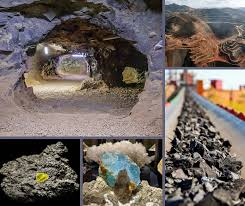
Why XRF Analyzers in Mining are Important
Geochemical analysis was a slower process at first. Teams had to collect samples, pack them properly, and send them to a lab located somewhere else. After that, they would wait for one to four weeks to get the results. Planning the next drilling step took even more time, and sometimes the season changed, or the budget was no longer available.
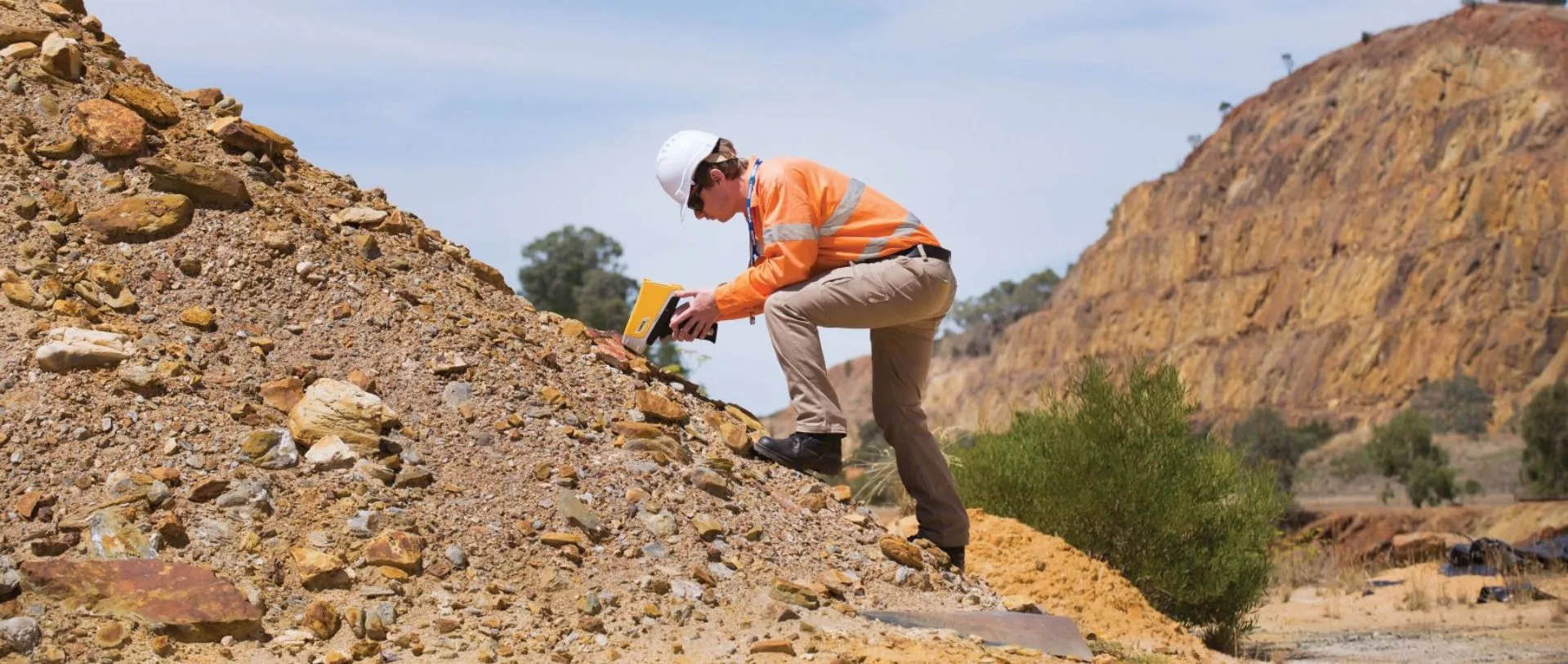
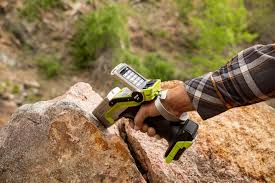
An XRF analyzer has completely changed this process in mining. Instead of waiting weeks, a geologist can now use a handheld device directly in the field. By placing it on a rock or soil sample, they can see the full elemental composition in less than a minute. This quick access to data helps teams make faster and better decisions on the spot. Over time, these quick decisions save a lot of time, effort, and resources across the entire exploration project.
The Problem: What Exploration Teams in MENA Were Facing Before XRF Integration
The exploration teams we are looking at here were running multi-week field campaigns across remote areas in Oman and Saudi Arabia. The challenges they were experiencing before adopting XRF analyzers as a core tool are familiar ones across the region.
- Turnaround time from lab analysis: The turnaround time from lab analysis was too slow. Samples collected in the first week of a campaign were not returning results until the third or fourth week, by which point the team was already deep into the next phase of work. We made decisions about where to focus follow-up drilling based on incomplete or delayed information.
- Budget pressure: Such pressure arises from repeated field mobilizations. Because teams could not get fast enough data to make decisions during a single campaign deployment, they often had to demobilize and then remobilize once lab results arrived, doubling the logistical cost of field programs.
- High sample volumes and bottlenecks: A three-week soil sampling campaign might generate 800 to 1,500 samples. Shipping all of these to a regional laboratory and processing them at once created bottlenecks, with samples sometimes sitting in queues for weeks before analysis even started.
- Difficulty prioritizing samples: Not all samples from a geochemical program need expensive ICP or fire assay analysis. But without a fast initial screening, teams had no good way to triage which samples deserved the expensive lab work and which ones could be deprioritized. The result was either overspending on lab work or missing important anomalies by not analyzing enough samples.
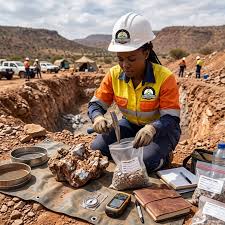
The Solution: Integrating Handheld XRF Analyzers into the Field Workflow
The decision to integrate handheld XRF analyzers into the workflow involves evaluating several instrument options, training field teams, and redesigning some of the data management processes around the new workflow.
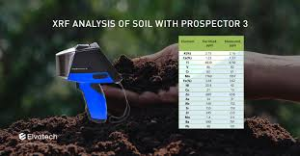
- Field screening of soil and rock chip samples: Every sample collected in the field was scanned with the XRF analyzer before it was packaged for shipping. This typically added 30 to 90 seconds per sample to the collection process but provided an immediate elemental read that could be used to flag anomalous zones in real time. Samples with elevated values for target elements like copper, gold, pathfinders such as arsenic and bismuth, zinc, and lead were flagged and prioritized for full laboratory analysis.
- Real-time geochemical mapping: Because XRF data were being generated and logged in the field, geologists could update their working geochemical maps daily rather than waiting for lab results. This allowed the team to identify patterns and anomalous zones within the current field campaign, redirecting sampling density toward the most interesting areas while they were still on site.
- Triage for laboratory analysis: Rather than shipping every sample to the lab, teams now send only the anomalous and borderline samples for ICP and other confirmatory analysis. This reduced the lab sample load by 40 to 60 percent without any meaningful loss of exploration data quality, because the bulk of the routine background samples were adequately characterized by the XRF screening data.
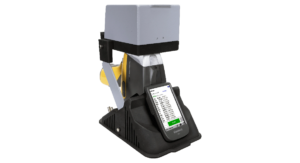
- Core logging support: Where drilling was part of the program, geologists used the XRF analyzer to scan drill cores at regular intervals, producing a continuous elemental log of the drill hole that could be compared against the visual geological log. This added a quantitative dimension to core logging that purely visual logging cannot provide.
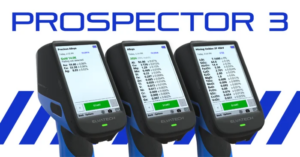
- Data integration and mining data analytics: The XRF instruments used in these programs had software that allowed field data to be exported and integrated into the project GIS and database systems. All readings were GPS-tagged, timestamped, and linked to the sample records. This made the data immediately usable for spatial analysis and pattern recognition, supporting mining data analytics and faster interpretation of exploration results.
What Elements Can XRF Detect in Minerals
The question arises from geologists new to XRF about detection capability: what elements can XRF detect in minerals, and is that broad enough to be useful across the range of deposit types in the MENA region?
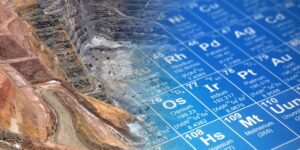
- Modern mining-grade XRF analyzers can detect most elements from magnesium through to uranium. For the MENA region specifically, the key elements of interest across common deposit types include copper, gold pathfinders such as arsenic, antimony, and bismuth, zinc, lead, silver, molybdenum, nickel, cobalt, chromium, manganese, iron, barium, strontium, and various rare earth elements, depending on the target.
- For the exploration teams working in the Arabian Shield and Oman, the primary targets were copper, gold-associated pathfinder elements, and zinc-lead mineralization. The XRF analyzers used in the program detected all of these elements reliably at concentrations well within the range needed for meaningful geochemical anomaly detection.
- Very light elements like sodium, magnesium, and aluminum are harder for some field instruments to measure accurately. Platinum group elements usually can’t be detected properly using XRF at useful levels. When detecting very small amounts of gold, fire assay is still the reliable method. For general geochemical screening in exploration programs focused on base metals and gold-related mineralization, modern XRF analyzers work quite effectively.
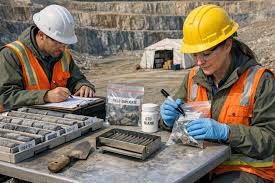
The Results: Measurable Efficiency Gains Across the Program
After integrating XRF analyzers into the exploration workflow, the teams saw measurable improvements across several metrics.
Reduction in Laboratory Costs
By using XRF to screen samples in the field and sending only the prioritized subset for laboratory analysis, one program reduced its per-campaign laboratory spend by approximately 45 percent. Across a multi-year exploration program, this represented a very significant budget saving.
Faster Decision-making Cycles
The average time between a geological observation in the field and a data-supported follow-up decision dropped from three to four weeks to one to three days. This meant that within a single field mobilization, teams could identify anomalous zones, increase sampling density in those areas, and begin preliminary drilling assessment all before demobilizing.
Fewer Repeat Mobilizations
Because teams were generating actionable data during the campaign rather than after it, the number of programs that required a costly second mobilization to follow up on lab results was reduced significantly. One program that had historically required three annual field deployments was completed in two because the improved data flow allowed more decisions to be made per deployment.
Improved Sample Quality and Targeting
Real-time XRF data allowed geologists to notice spatial patterns as they were sampling rather than weeks later. This led to better sampling strategies within the campaign, with denser coverage over anomalous zones and more efficient spacing over barren ground.
Better Team Confidence
Geologists working with real-time geochemical data reported greater confidence in their interpretations and better-supported conversations with project managers and investors. When you can show an anomaly map that was built on field data from that very day, it changes the quality of the technical communication.
The Role of a Reliable XRF Analyzer Supplier in the UAE
One factor that influenced the success of these programs was working with a reliable XRF analyzer supplier in the UAE. This is about having a supplier relationship that supports the program from procurement through to daily field use.
- The teams in these case studies benefited from suppliers who provided proper pre-deployment training, calibration support before each field campaign, local availability of spare parts and accessories such as replacement detector windows, and responsive technical support when issues arose in the field.
- For exploration companies operating in the MENA region, working with a mining XRF analyzer UAE supplier like Apex Instrument means shorter equipment lead times, support teams who understand the regional operating conditions, and access to calibration and maintenance services without the delays and costs of sending instruments overseas.
- Choosing a local or regionally based XRF analyzer supplier in the UAE is a practical decision that affects program scheduling, uptime, and cost, not just a procurement convenience.
Why More MENA Exploration Companies Are Making the Switch
More exploration companies, junior miners, and national geological surveys are incorporating portable geochemical analysis equipment in the MENA into their standard field toolkit. Faster turnaround means more decisions per dollar spent on field time. Better triage means lower lab bills. Real-time data means fewer repeat mobilizations. Improved data quality and spatial coverage mean better-targeted drilling.
For a region where exploration activity is growing, where government-backed programs are expanding in countries like Saudi Arabia and Oman, and where the cost of keeping teams in challenging field environments is high, the benefits of handheld XRF in mining exploration translate directly into a profit. Teams that can generate, interpret, and act on geochemical data faster than their competitors are simply going to find and define deposits faster.
Conclusion
The technology works, the efficiency gains are real, and the economics are compelling. If your exploration team is operating in the MENA region and you are evaluating how to improve your field program efficiency, the integration of a quality XRF analyzer for mineral exploration is one of the highest-return investments you can make in your workflow. You can start the conversation with an experienced supplier and build the workflow properly.
FAQs
Looking for a Reliable XRF Analyzer for Mineral Exploration in the MENA Region?
Our team delivers accurate field-based results with fast turnaround to support your exploration workflow. Contact us today to discuss your requirements or request a quote.
Mobile/WhatsApp: +971526191767
Email: sales@apex-instrument.com